Dmc
Welcome to Malee Hospitality
Experience the world,
one voyage at a time.
Let us transport you with our highly affordable and reliable holiday packages.
WHO WE ARE
Traveling opens door to creating memories.
We feel obliged to introduce our ambitious venture, A destination Management Company “Malee Hospitality Co.” (TAT- 11/ 10263) & (STB 03121) as an entity which takes care of any tour and travel requirements in Thailand, Singapore and Malaysia of its esteemed clients at the global level.
Malee Hospitality Co. is a one-stop enterprise that offers a complete range of travel-related services. Superior knowledge, efficient planning and the ability to anticipate and resolve potential problems along the way are the reasons behind our success.

100% Trusted Travel Agency
10+ Year of Travel Experience
95% of Our Happy Travellers
Best Of South East Asia
When it comes to the best of South East Asia, there are numerous incredible destinations to explore. Here are some highlights:
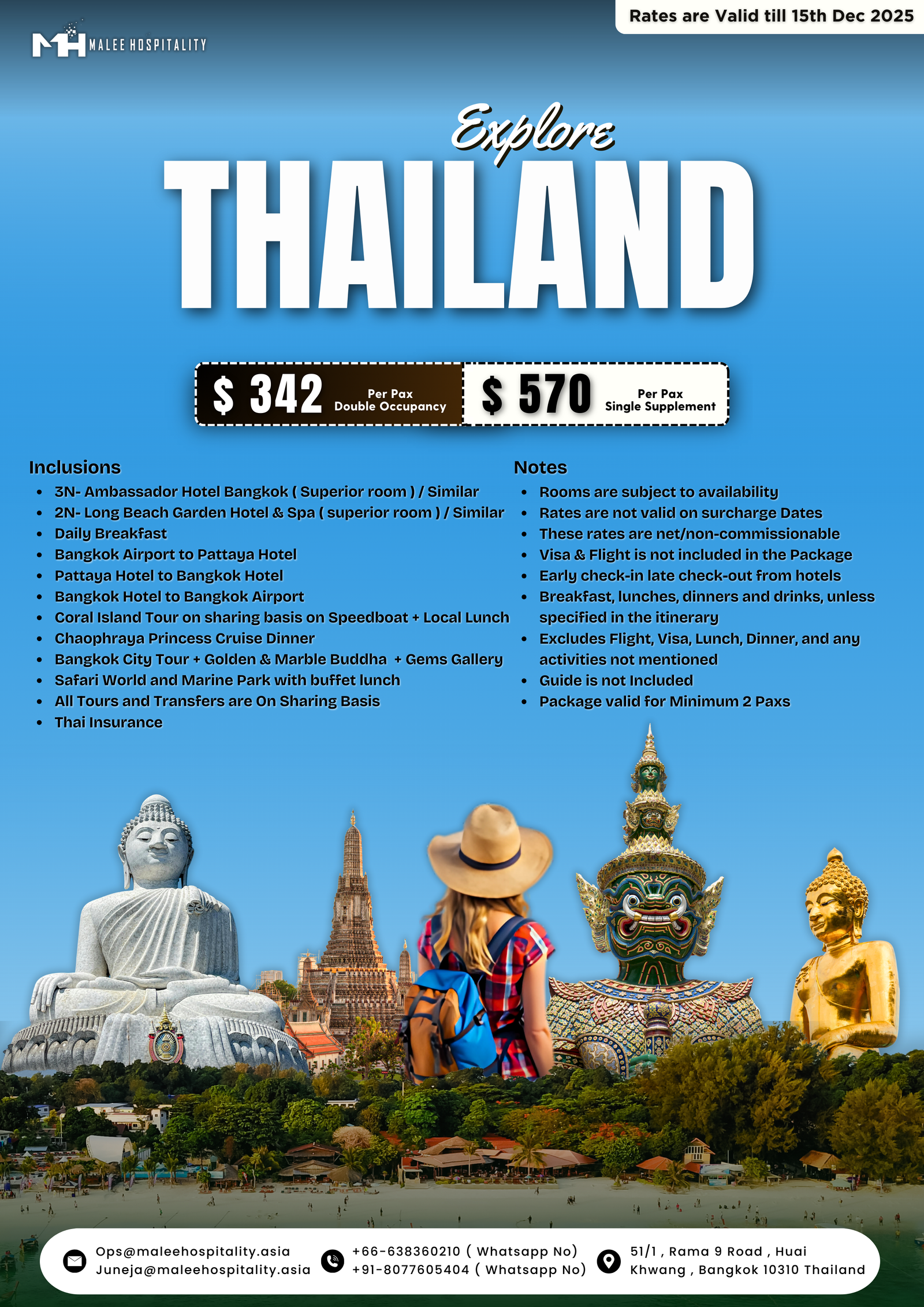
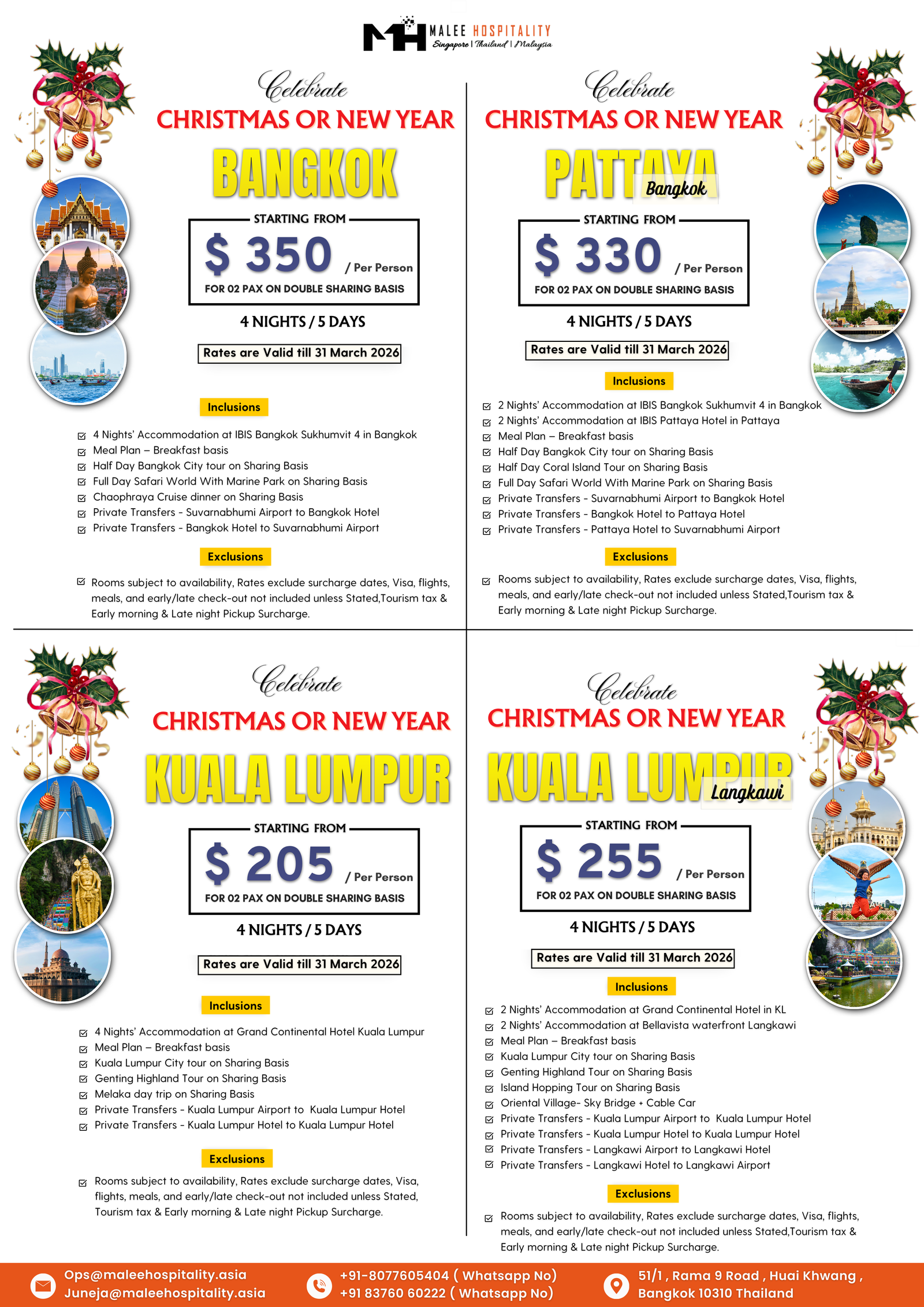
Bangkok
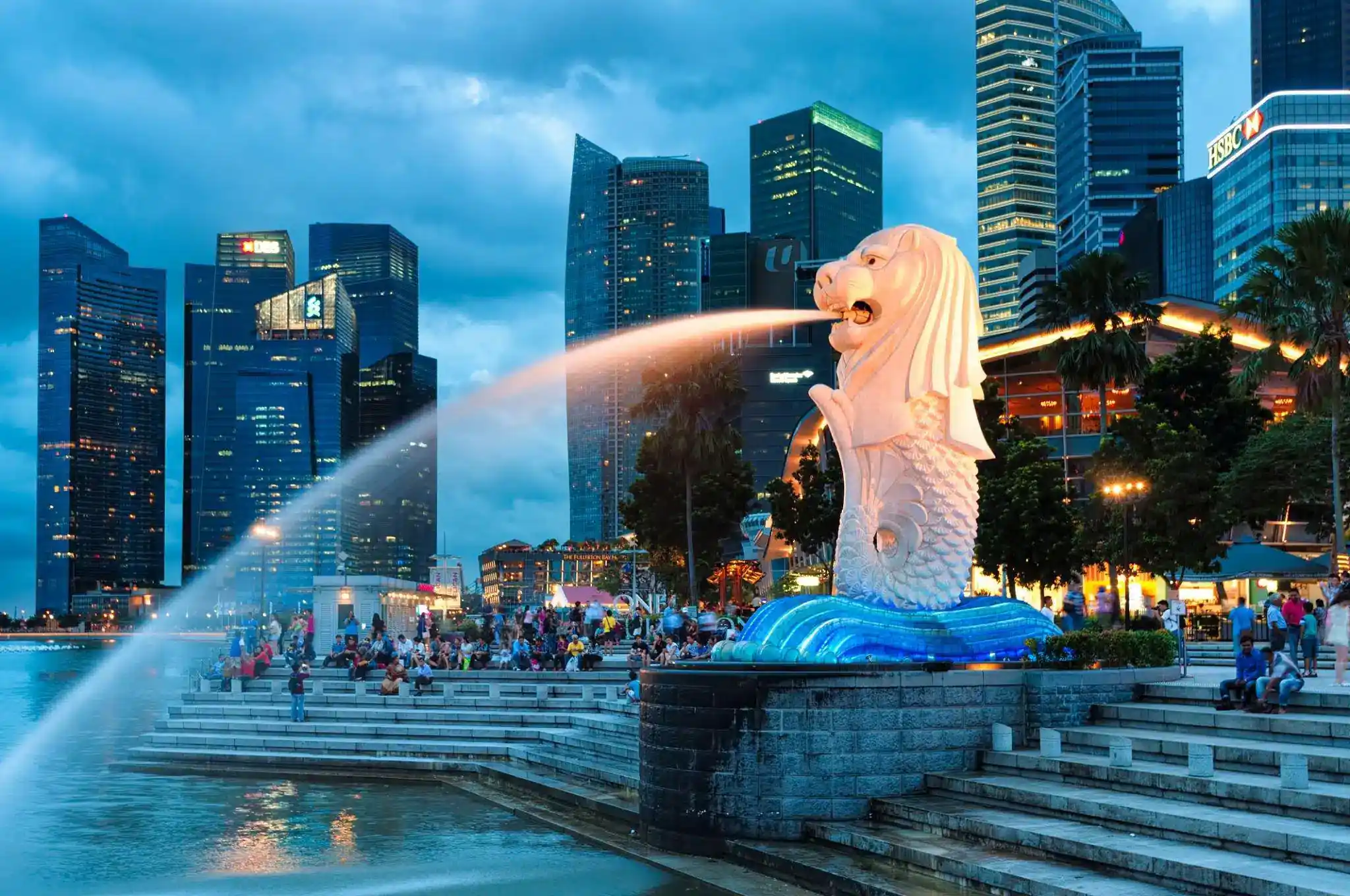
Singapore
Phuket
Krabi
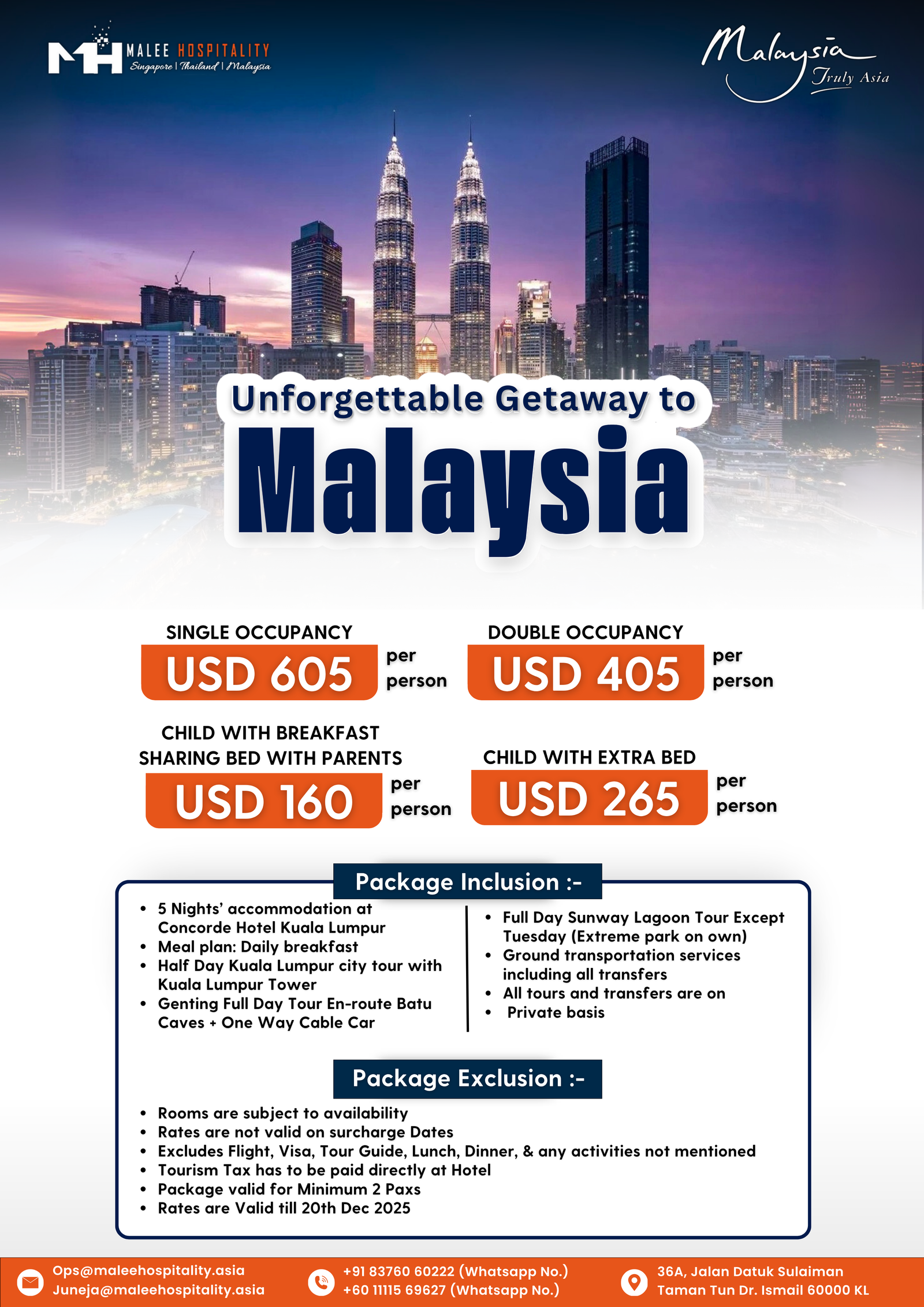
Malaysia
Pattaya
What we offer
Discover the world and be your own tour guide.
Destination weddings
Unlock the Magic of Love in Exquisite Locations Experience a fairytale come to life with our destination weddings tour.
Honeymoons
Embrace Romance in Captivating Destinations. Indulge in the pure bliss of newfound love on our honeymoons tour.
Group getaways
Escape the ordinary and embark on an extraordinary adventure with our group getaways tour
Family vacations
We believe that the best memories are made when families come together to explore and bond.
MICE
MICE tours specialize in organizing business-related events and corporate travel.
Fixed Departure
With set departure dates and a sense of camaraderie, we offer the perfect balance of structure and freedom.
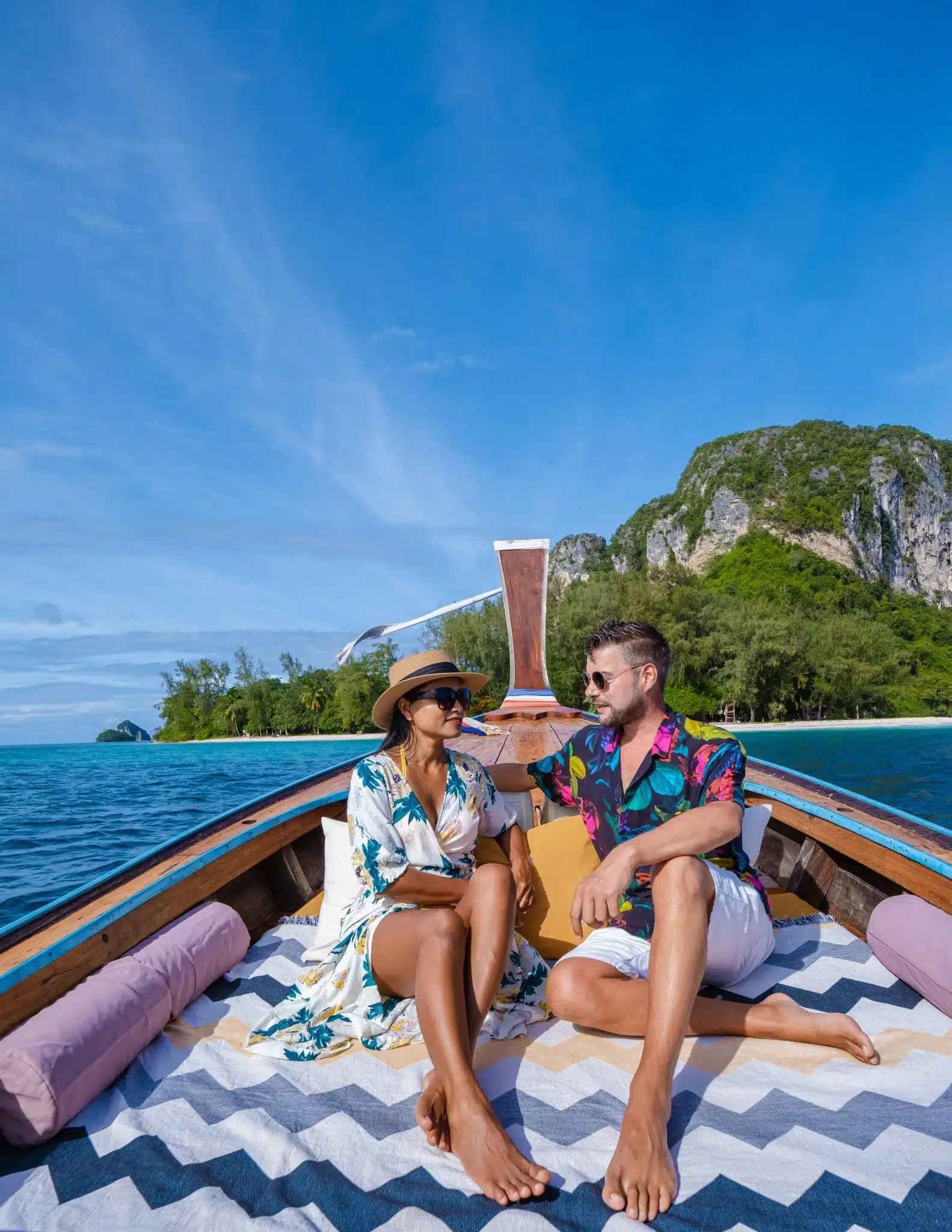
Testimonial
What they say about us
Each customer has their own expectations, preferences, and specific interactions with the travel agency, which can influence their feedback.



Travel FAQ’s
While Thailand is generally a safe country to visit, it’s always wise to be cautious of common scams and tourist traps. Be wary of overly friendly strangers offering unsolicited assistance or overly cheap deals. Use licensed taxis or reputable transportation services, and always agree on fares in advance. Research and book activities with trusted tour operators.
Visa requirements for Malaysia depend on your nationality and the purpose and duration of your visit. Check with the Malaysian embassy or consulate in your country for the latest visa requirements.
Ensure your passport is valid for at least six months from the date of entry. Proof of onward travel and sufficient funds may be required.
Yes, Thailand is known for its colorful festivals. One unique festival is the Yi Peng Lantern Festival in Chiang Mai, where thousands of lanterns are released into the night sky, creating a magical atmosphere.
Yes, Malaysia boasts beautiful islands for island-hopping adventures. Explore the Langkawi archipelago, visit the Perhentian Islands, or discover the lesser-known islands like Redang and Tioman for pristine beaches and incredible marine life.
Yes, Singapore is known for its rooftop bars with stunning views. Check out hidden gems like Operation Dagger, The Library, or Smoke & Mirrors for a unique and elevated drinking experience.